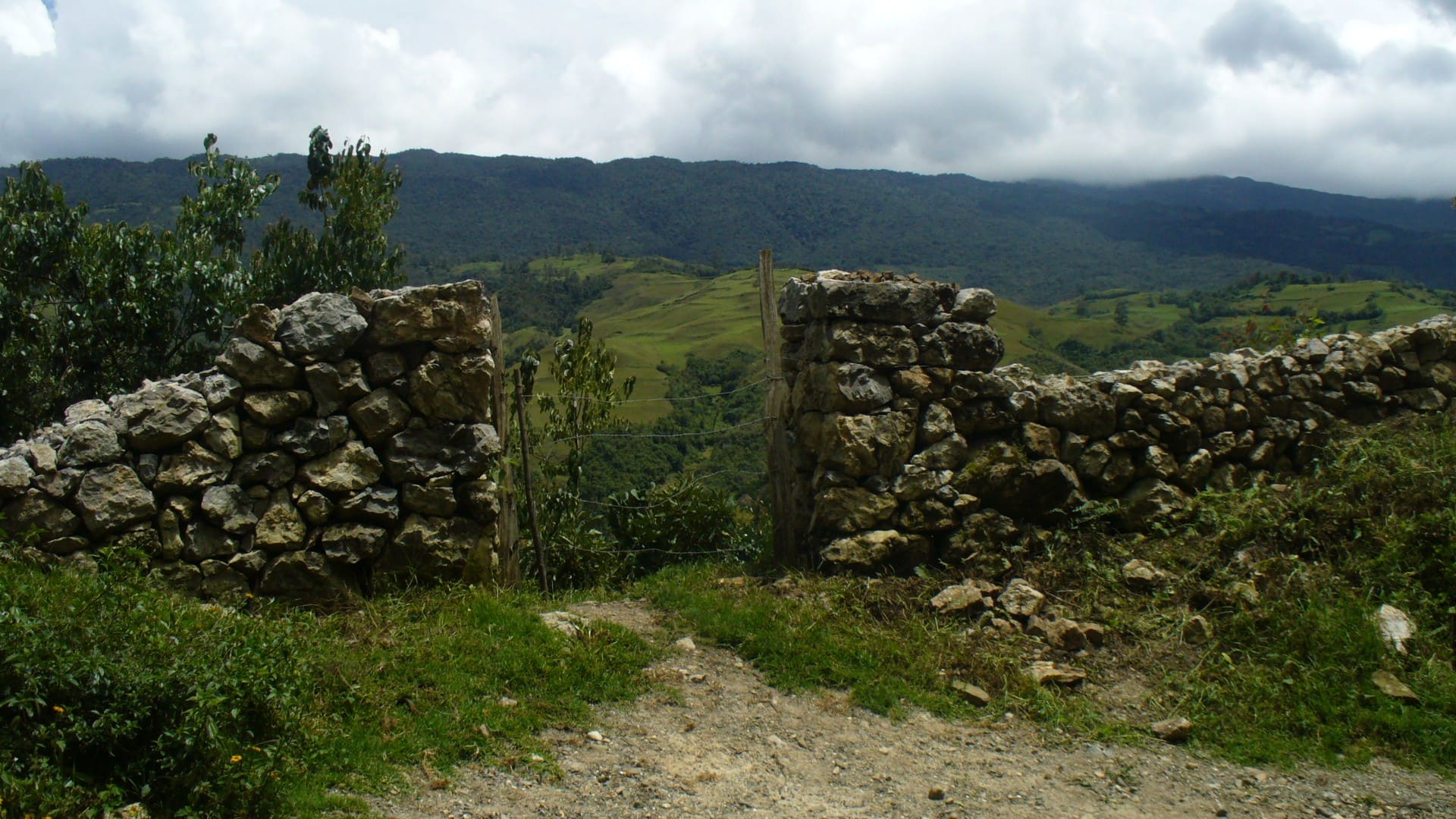
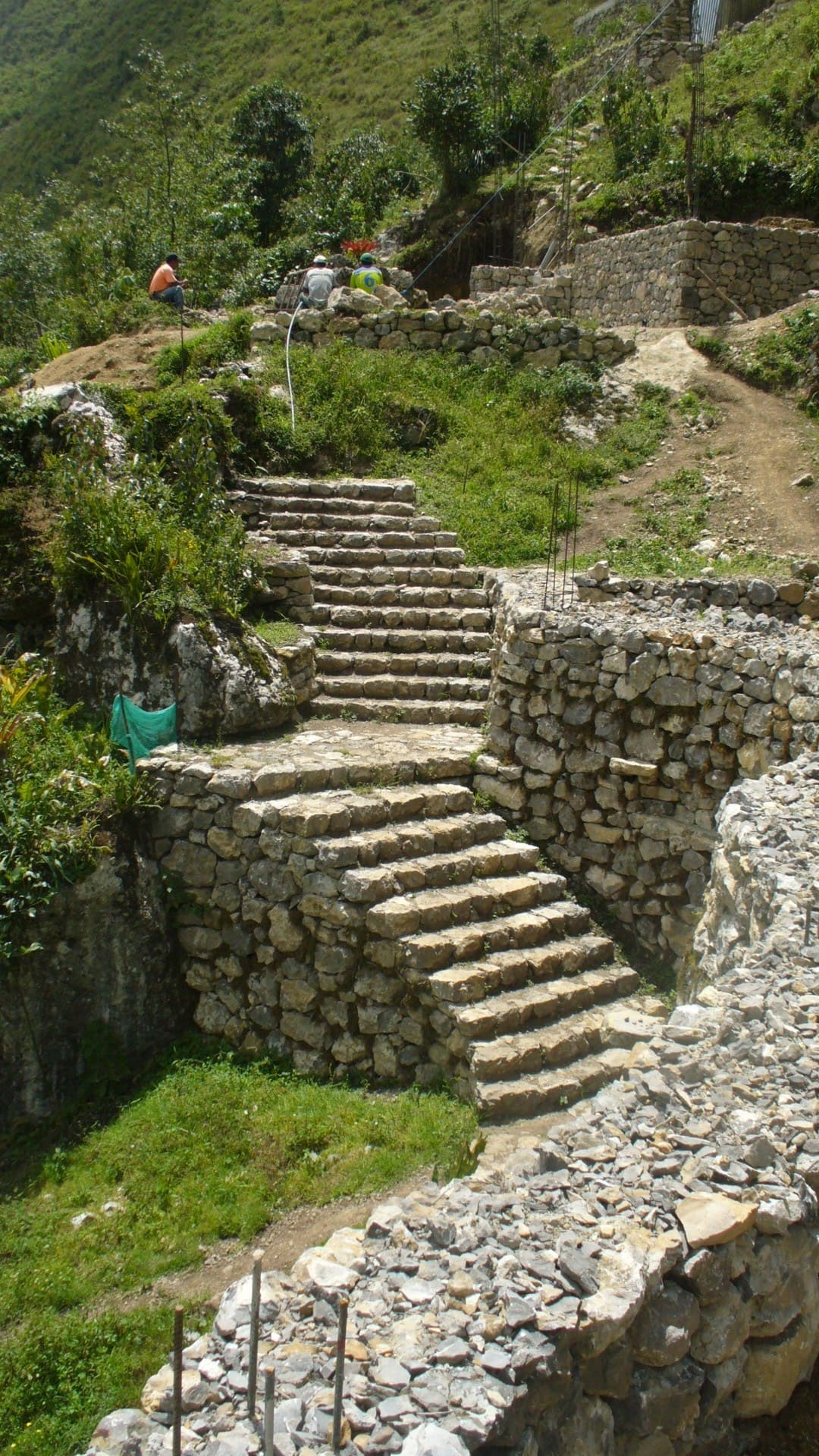
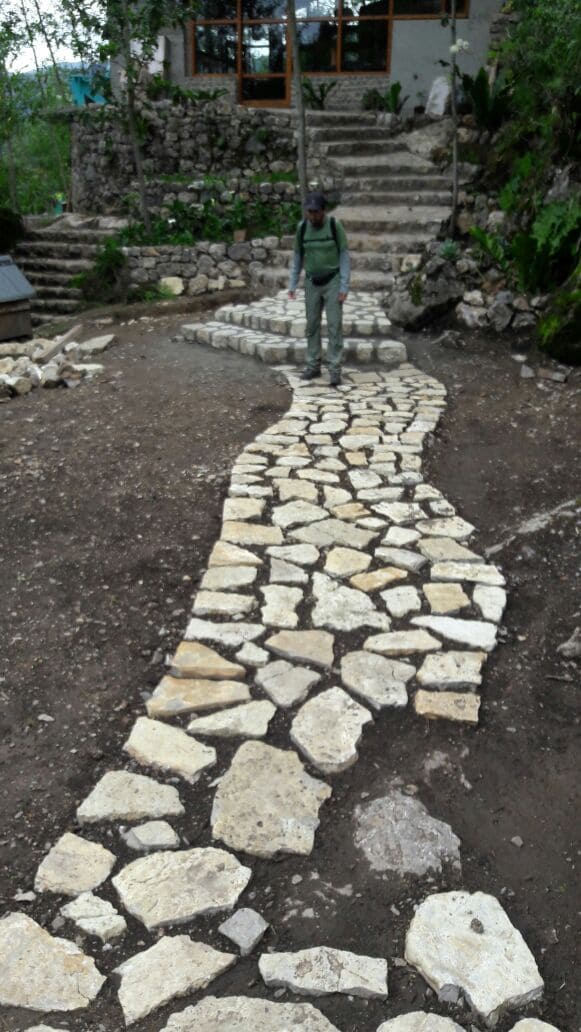
We continued clearing the land, and little by little the terrain revealed its impressive rock
formations, naturally defining areas with development potential. The rains showed us the natural
water channels that needed to be respected and redirected, leading us to carefully design
pathways, zones, and preserved natural areas in harmony with the landscape
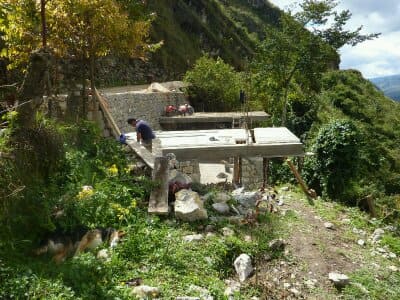
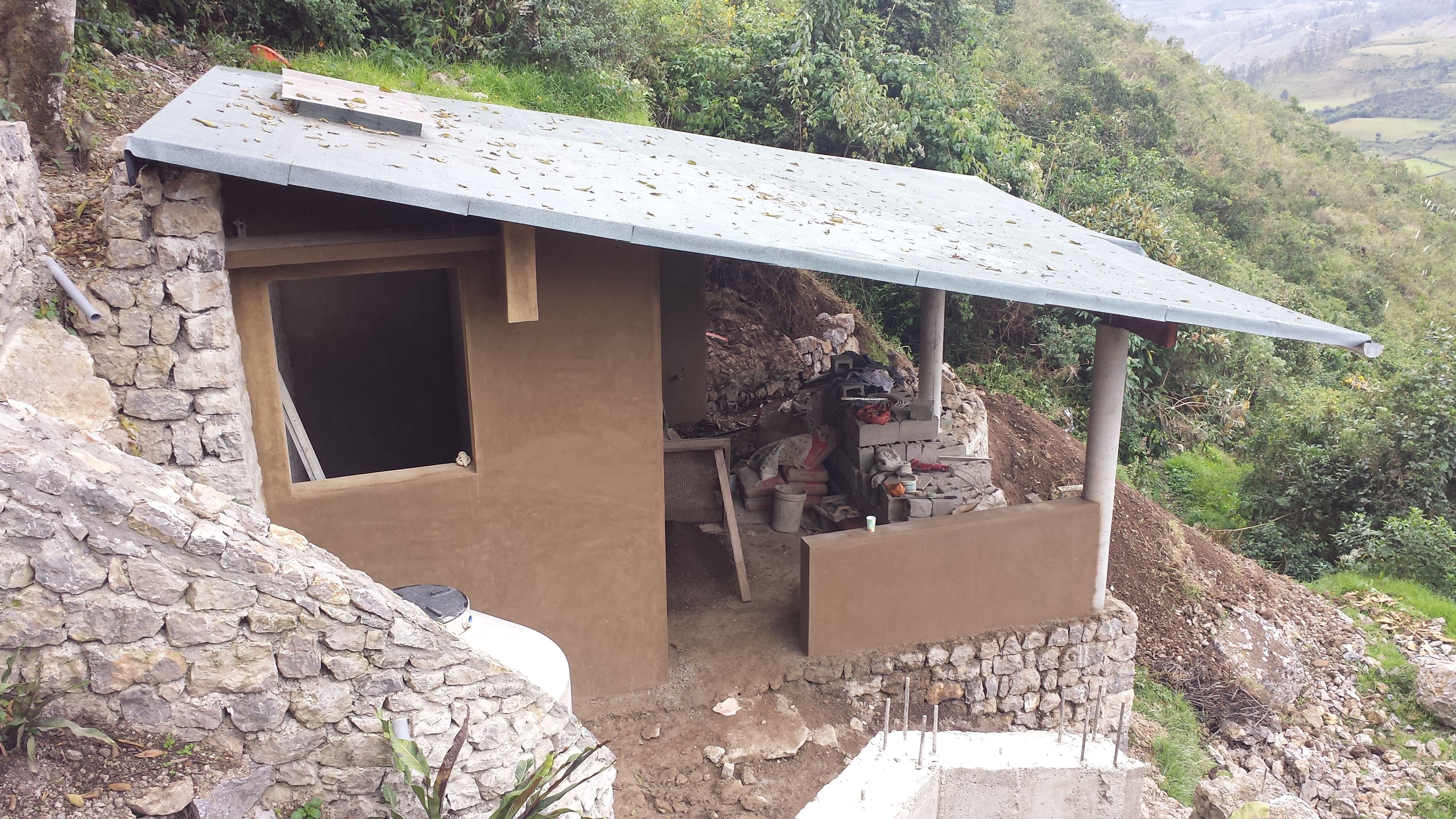
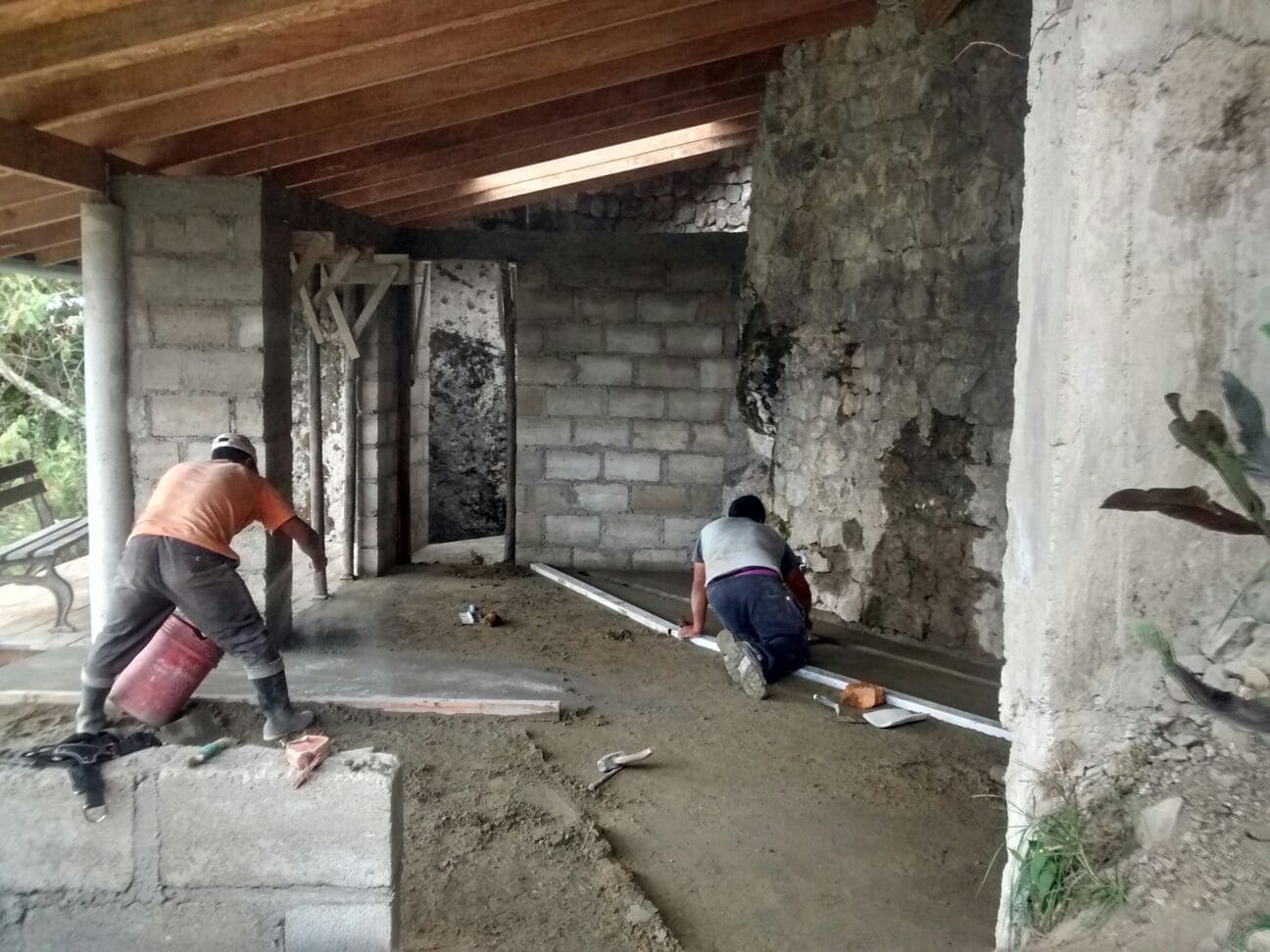
Our first construction was what is now our garage at the foot of the road. We created a platform
on a rocky outcrop at the edge of the property, where construction materials could be received
and where tools could be stored in a small warehouse below.
As time passed, the magic of the place inspired our imagination, and we began dreaming about the
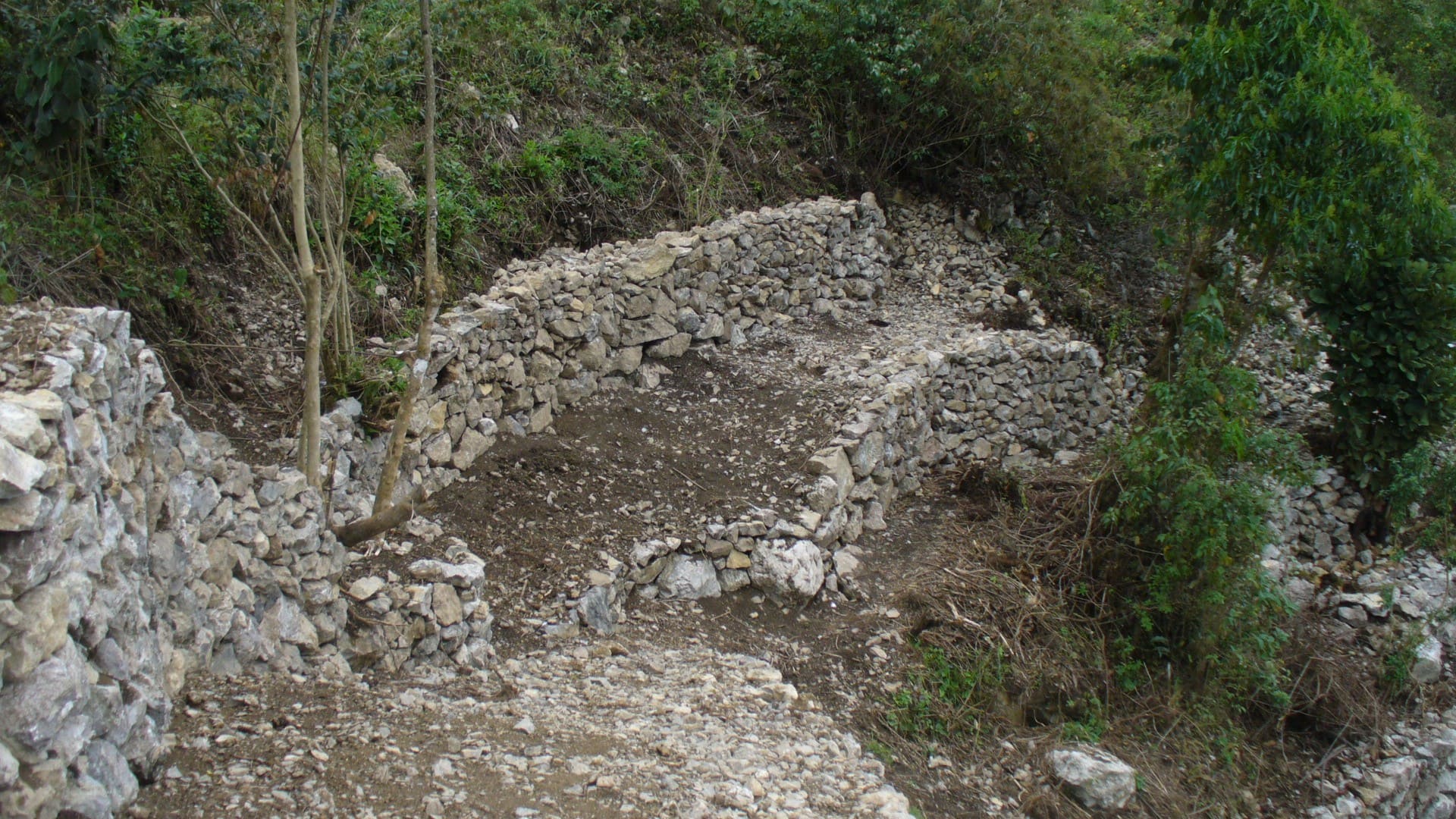
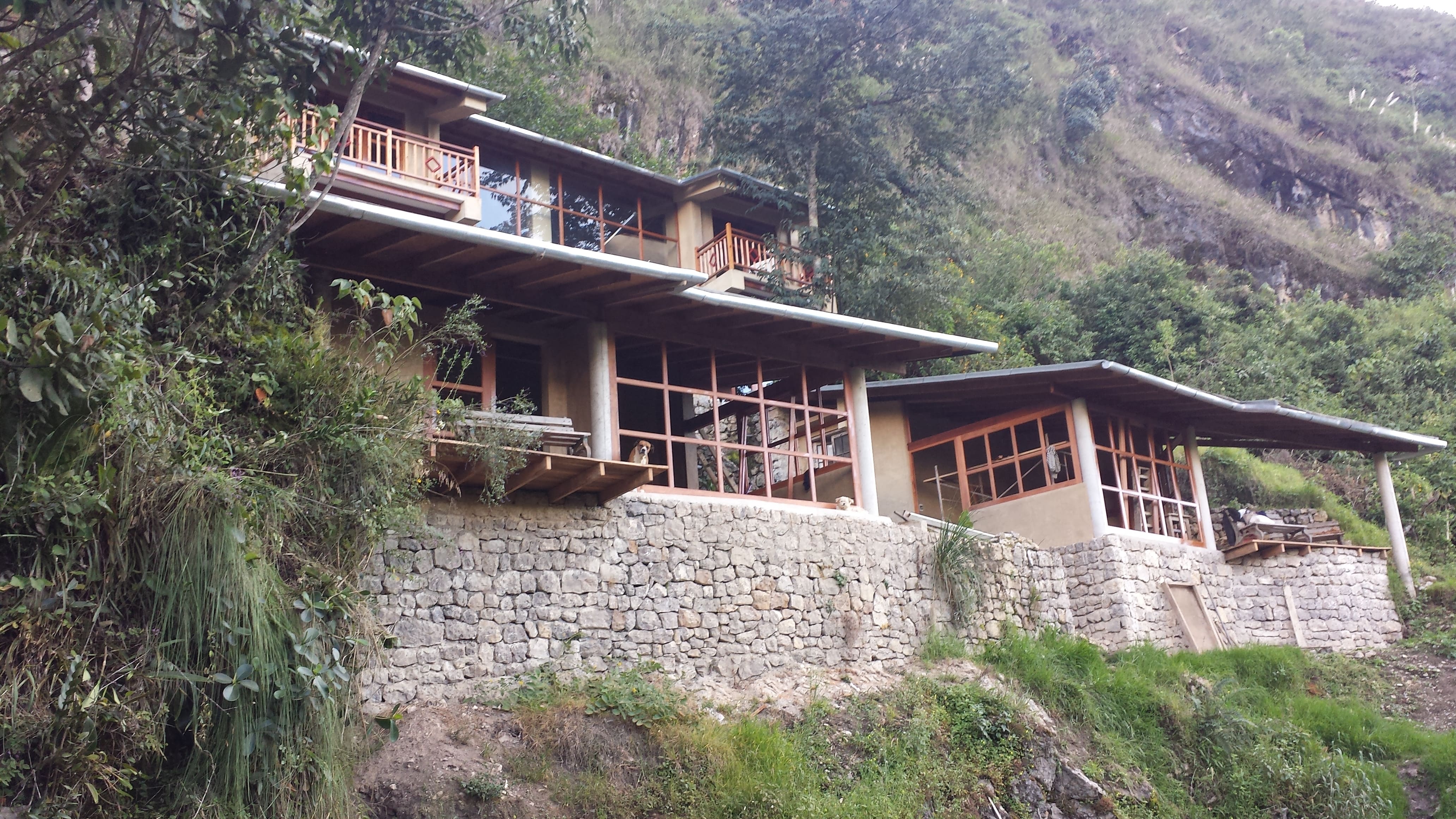
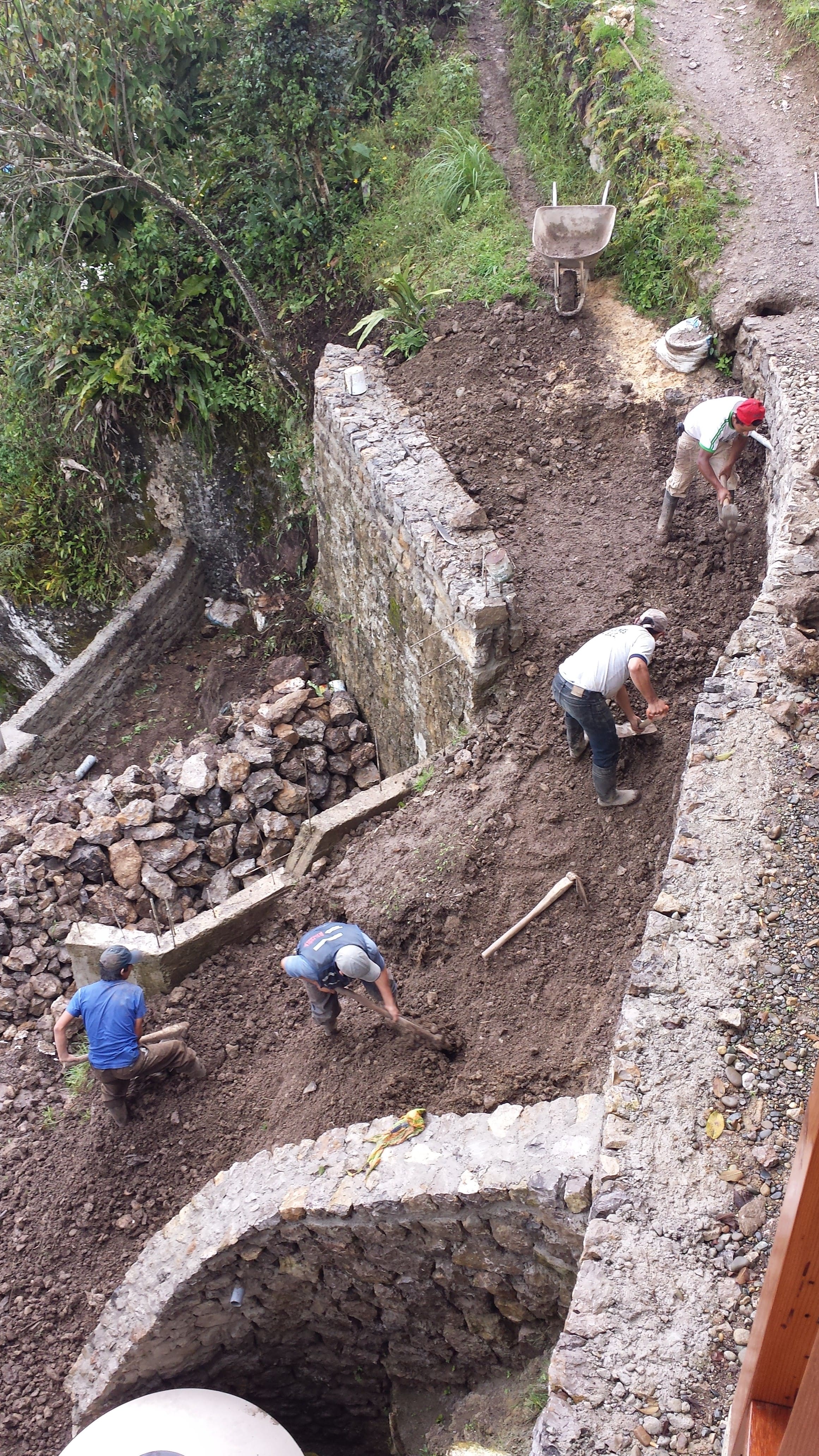
possibilities the land could offer. This led to the creation of our first large platform, a
process that took more than six months. Although stone was abundant, moving, shaping, and
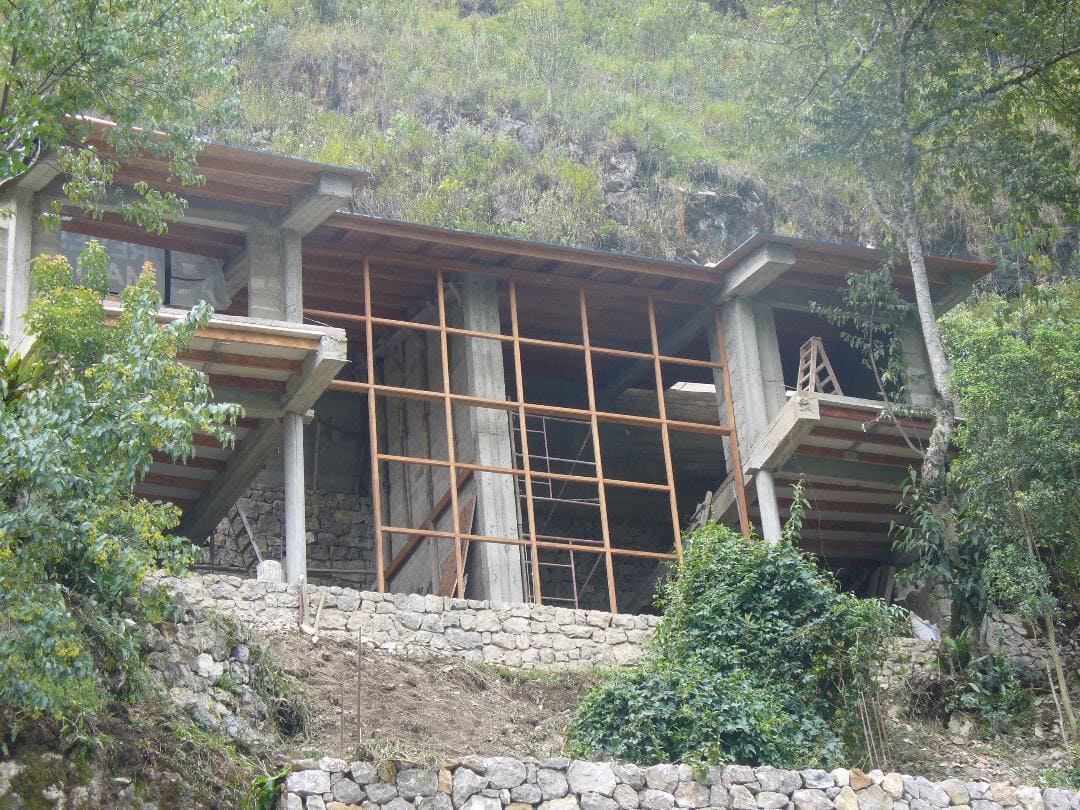
placing it required enormous effort. Due to the steep slope and the dimensions of the retaining
wall, we needed to construct an internal reinforced structure with columns and connecting beams
to ensure stability and safety.
As the wall grew in width and height, a large empty space formed between the structure and the
natural hillside. This area needed to be filled and leveled, forcing us to excavate and level
higher sections of the property to obtain excess material that could be used as fill for the
lower platforms. This eventually became an essential construction method throughout the entire
development of Rangra Wasi.
Although we did not have a large budget for these works, we moved forward month by month with
our own resources, without strict deadlines, but always with enthusiasm and respect for the
environment. We also had to redefine the property boundaries due to the widening of the road
running along the upper section of the land.
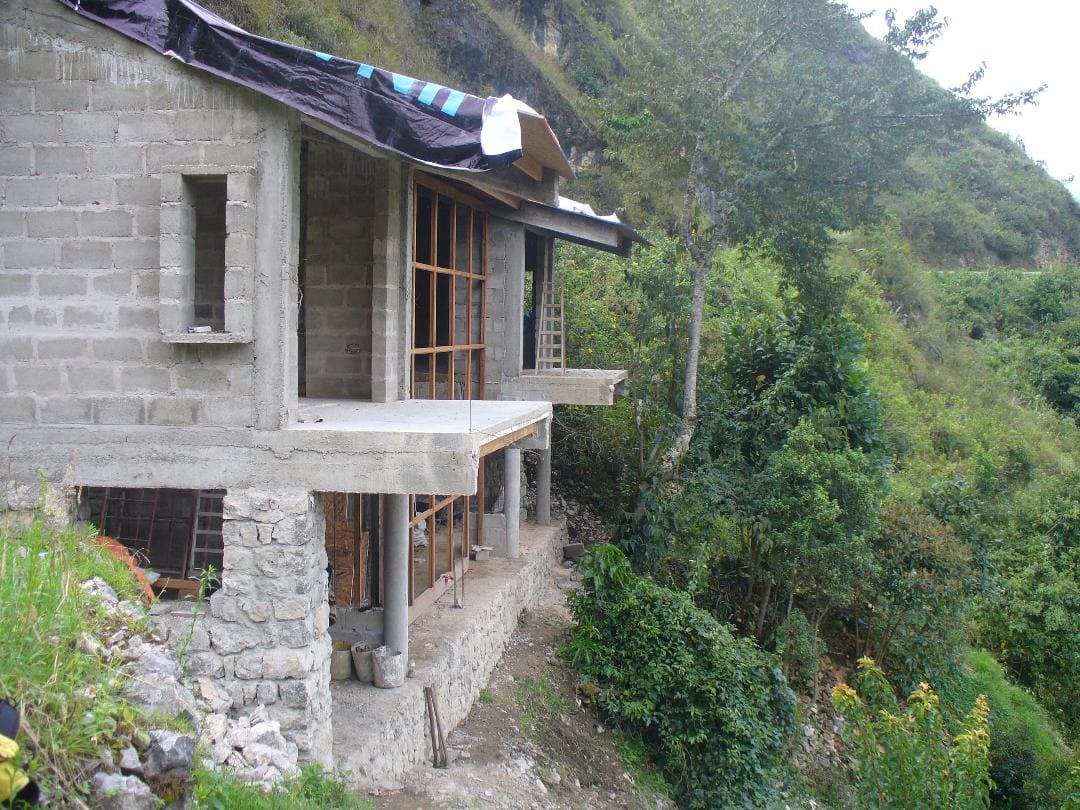
Originally, we planned to build a caretaker’s house at the highest point of the property. We
began stabilizing the hillside with reinforced retaining walls and preparing the foundations.
However, as construction progressed, we realized the breathtaking views from that location could
not be wasted. The idea evolved, and what was intended to be the caretaker’s house became the
foundation for our first Bungalows #1 and #2.
The design and architecture of Rangra Wasi developed organically according to the terrain itself
— adapting to natural levels and incorporating the massive rock formations that emerged during
excavation. Throughout the entire construction process, we constantly modified our designs to
either work around the rocks or integrate them directly into the architecture.
Rain — whether gentle or torrential — became a defining element in the design process. It taught
us the importance of collecting, channeling, and storing water. As a result, every roof in the
lodge was designed to harvest rainwater, which is pre-filtered and stored in tanks distributed
across the property. This water is later used to irrigate the gardens during dry periods,
allowing us to become self-sustainable in this vital resource.
Another recurring challenge was managing the large amount of loose soil and stone generated
while building each platform. The solution naturally led to the construction of additional
terraces and retaining walls. This is how the platforms for Bungalows #3 and #4 were born
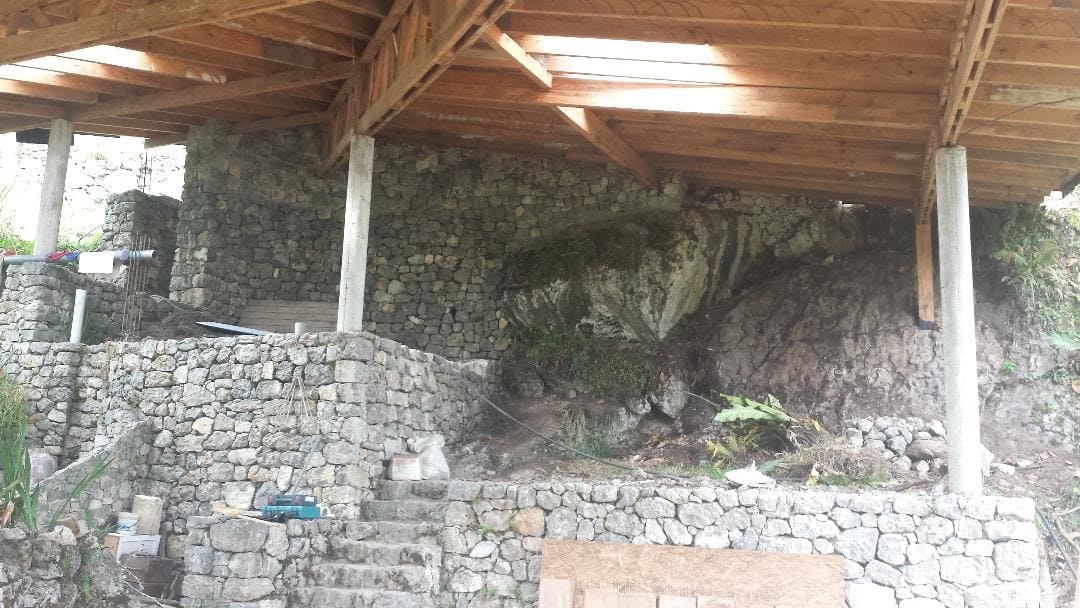
The designated area for these bungalows was occupied by a massive bedrock formation. At first,
we spent time and resources attempting to break and remove it, only to realize the land itself
was teaching us to adapt rather than impose. In Bungalow #4, we ultimately embraced the rock,
incorporating it into the bathroom shower and the rear wall of the room. Anchors were drilled
directly into the stone using steel rods and epoxy resin, creating structural supports for the
new platform above.
A particularly special case was Bungalow #3, where one of the few remaining native trees on the
property stood — a tree locally known as “Mora” (though it does not bear mulberries). To
preserve it, we tied the tree to the structure of the upper bungalow while excavation work was
carried out around its roots to build the retaining wall. The effort was successful, and today
the tree stands healthier and larger than ever.
Once the bungalows were completed, we returned to the area envisioned for the Main House. Around
that time, in Lima, a new building project was beginning on the site of my grandparents’ former
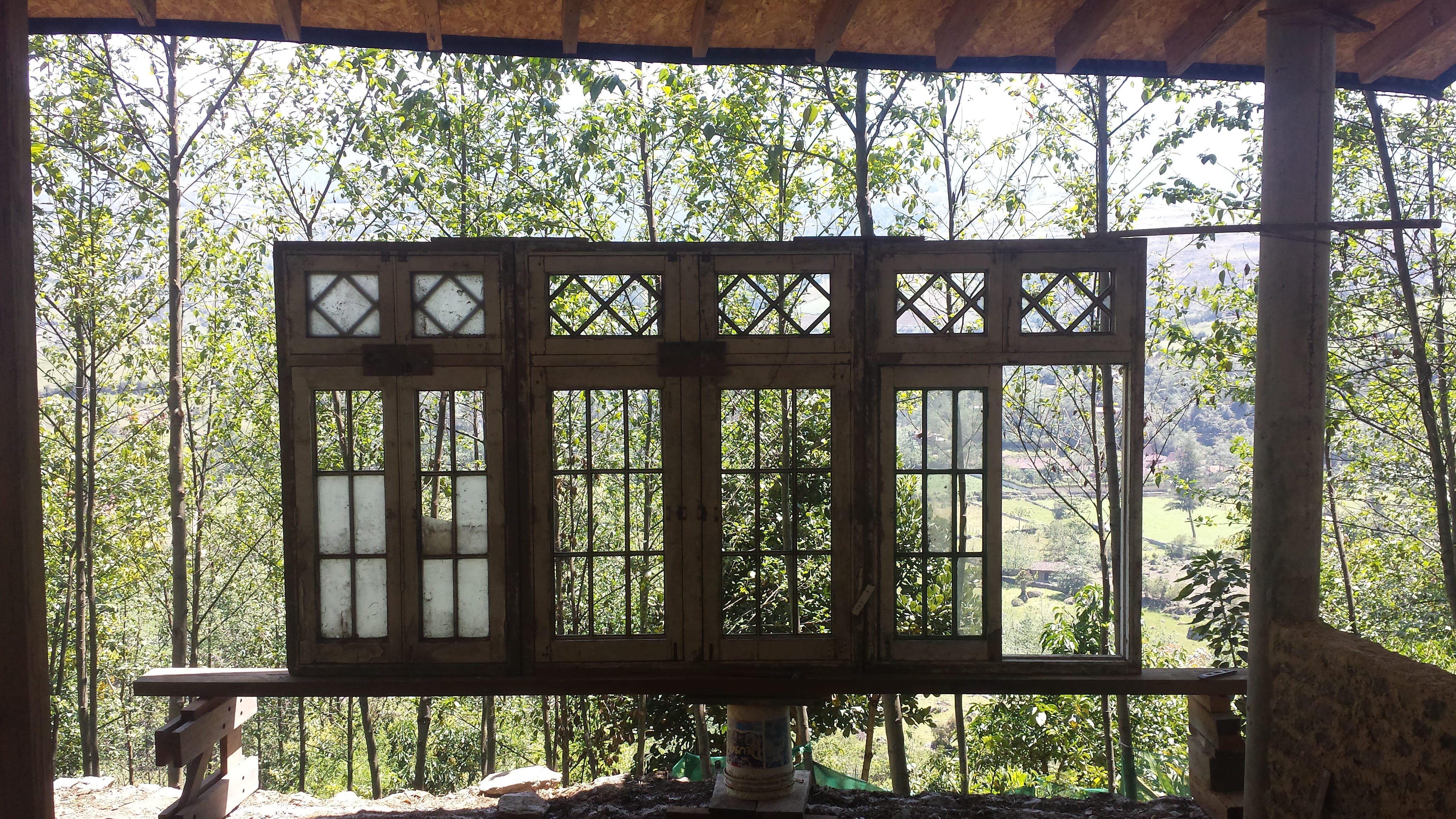
Tudor-style English house in Miraflores. From that house, we rescued doors, windows, beams, and
wooden flooring, which we restored and transported to Leymebamba. These reclaimed materials
became the soul and character of the Main House, shaping its warm and timeless atmosphere
through stone, wood, clay stucco walls, and simplicity.
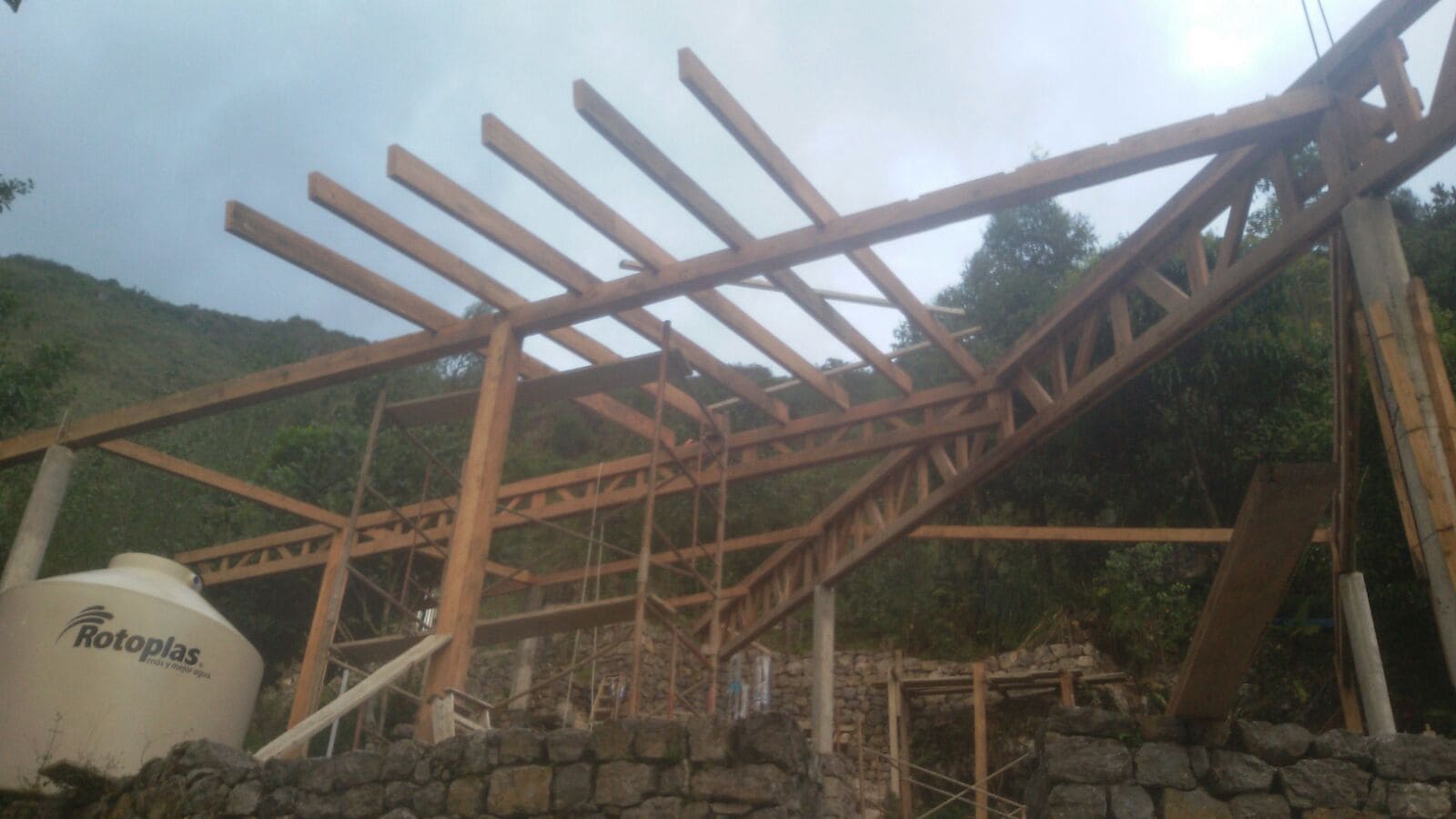
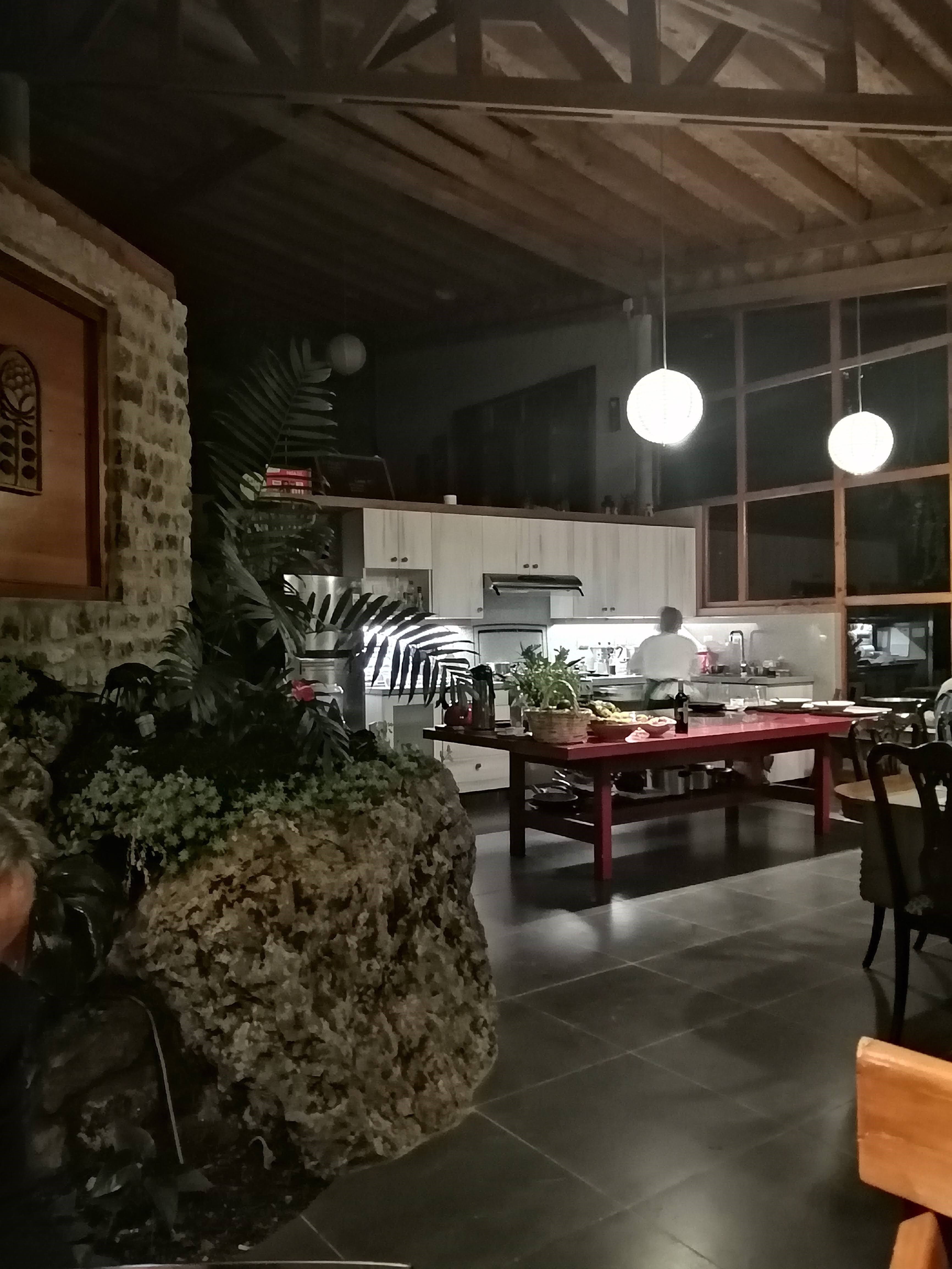
The roof design became one of the project’s greatest architectural challenges. Drawing upon my
experience as both an architect and woodworking specialist, I designed a massive diagonal truss
beam measuring 1.30 meters high and 24 meters long, supported by only two intermediate columns.
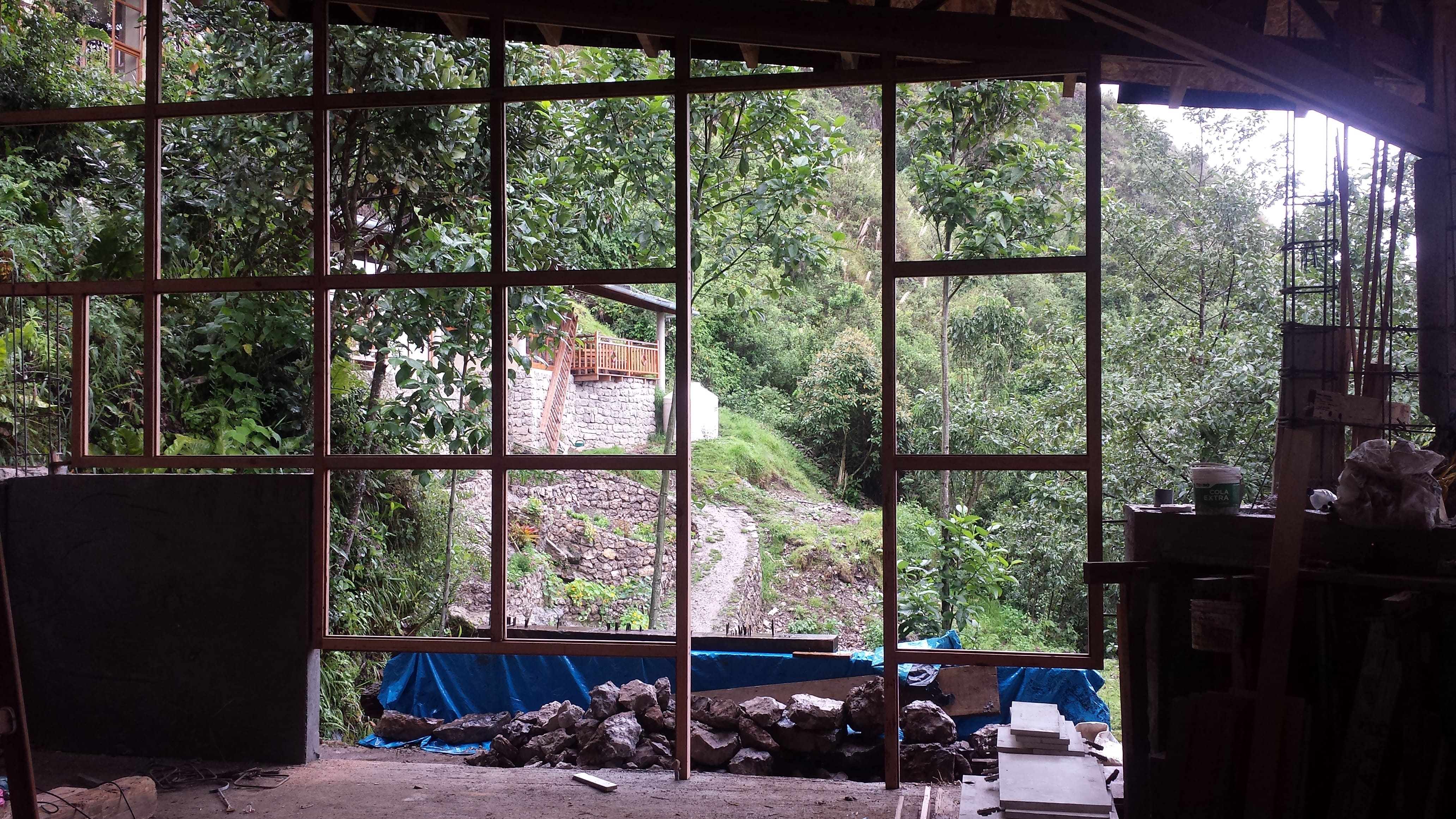
This structure carries the entire roof, allowing the main space to remain completely open,
defined only by varying ceiling heights and large windows on three of its four sides, seamlessly
integrating the surrounding forest into the interior. Some of the original windows from my
grandfather’s house were also incorporated into the design.
Throughout the many years of construction, gardening remained a constant companion to every
stage of development. Trees nurtured in our nursery were transplanted into newly created garden
areas to provide shade and shelter for additional plants. With patience and dedication, we
created protected spaces filled with flowering plants designed to attract hummingbirds.
Thanks to the climate and continuous care, these plants flourished rapidly, requiring regular
transplanting every six months while always preserving enough for natural regeneration. Over the
years, this effort — combined with careful composting and organic waste management — transformed
the property into a vibrant sanctuary filled with lush gardens, hummingbirds, and colorful
native birdlife.
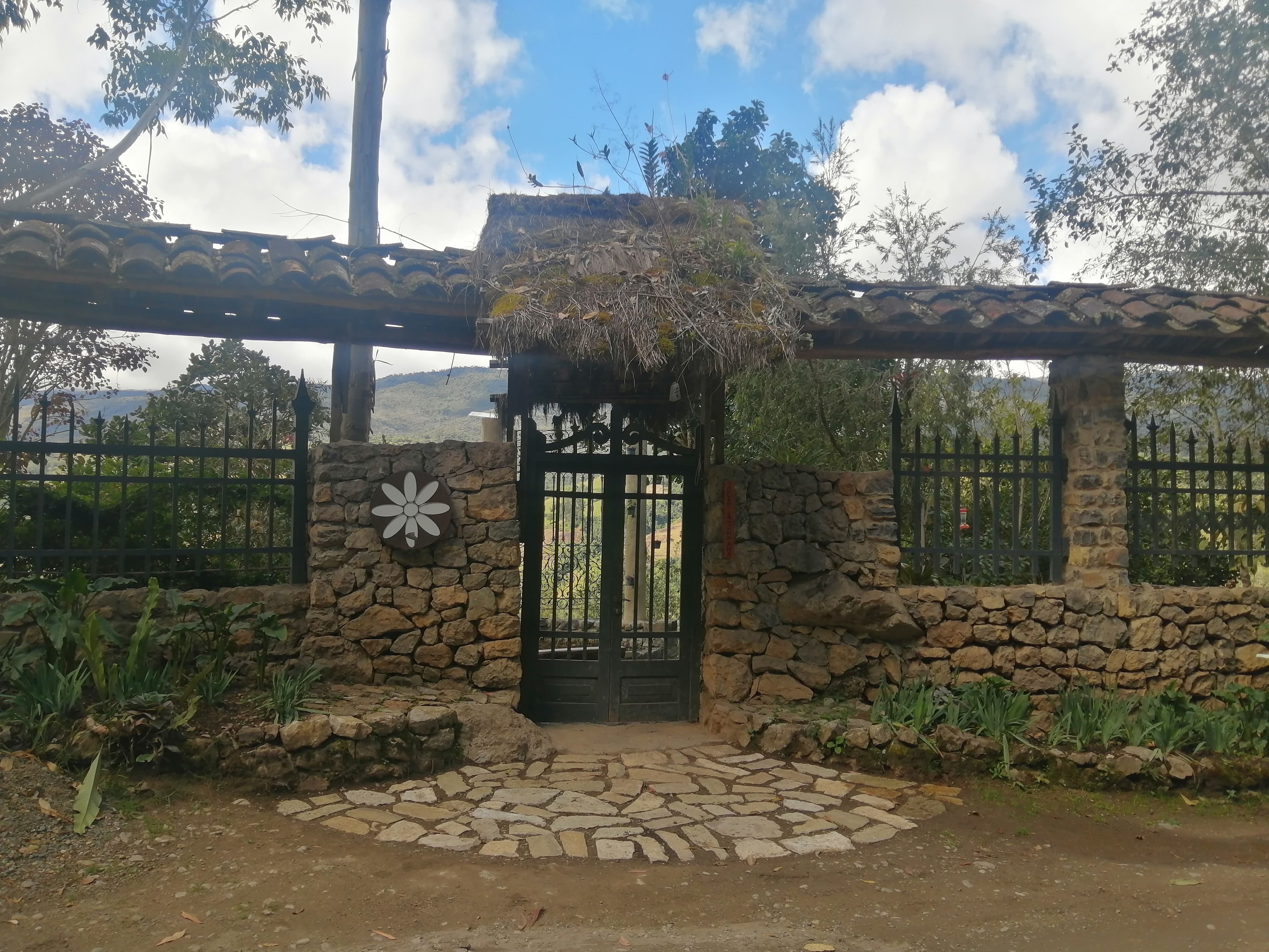
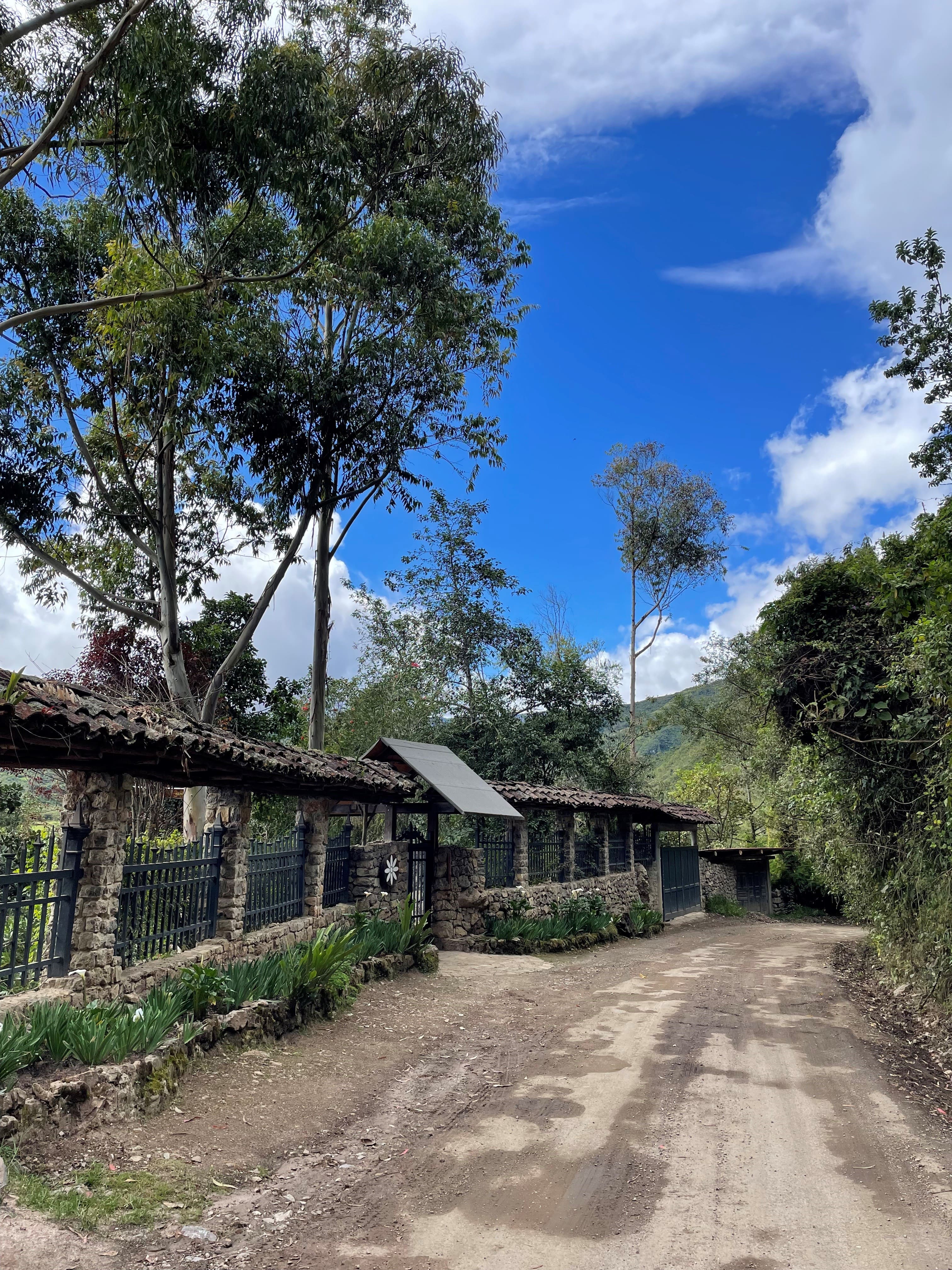
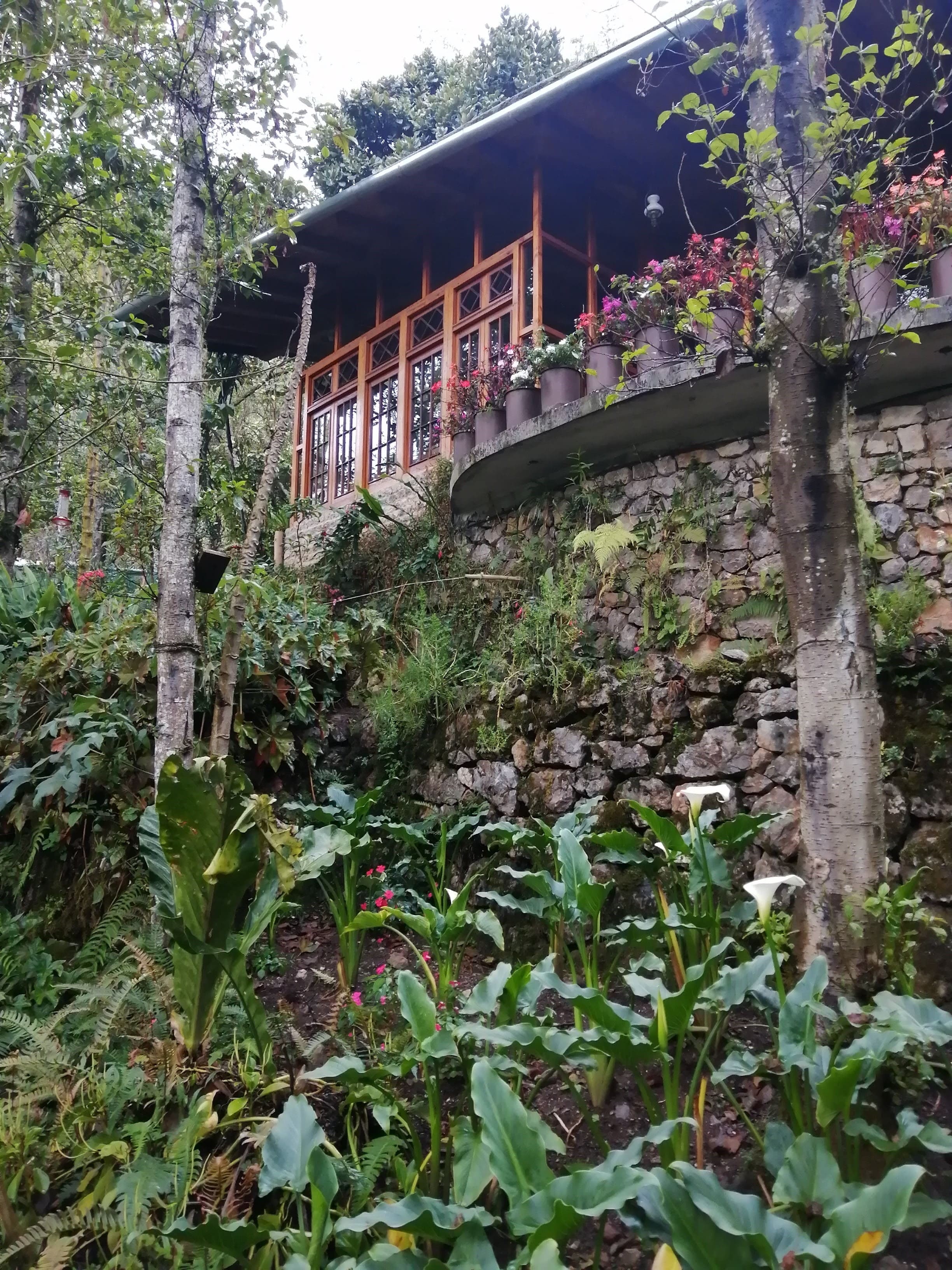
To define the final character of Rangra Wasi, we designed the façade using stone walls combined
with reclaimed wooden railings from the old Miraflores house. Above them, we built a long
double-pitched roof using alder poles cultivated and harvested over years of work on the
property. To honor the spirit of Leymebamba, we searched for antique clay roof tiles with
naturally aged patinas, placing them atop the fence as a tribute to more than a century of local
architectural tradition.