For many years, we traveled throughout Peru with the dream of finding a place that combined
everything a traveler longs to experience: lush vegetation, birds and wildlife, archaeological
remains, ancestral traditions, breathtaking landscapes, and warm, welcoming people.
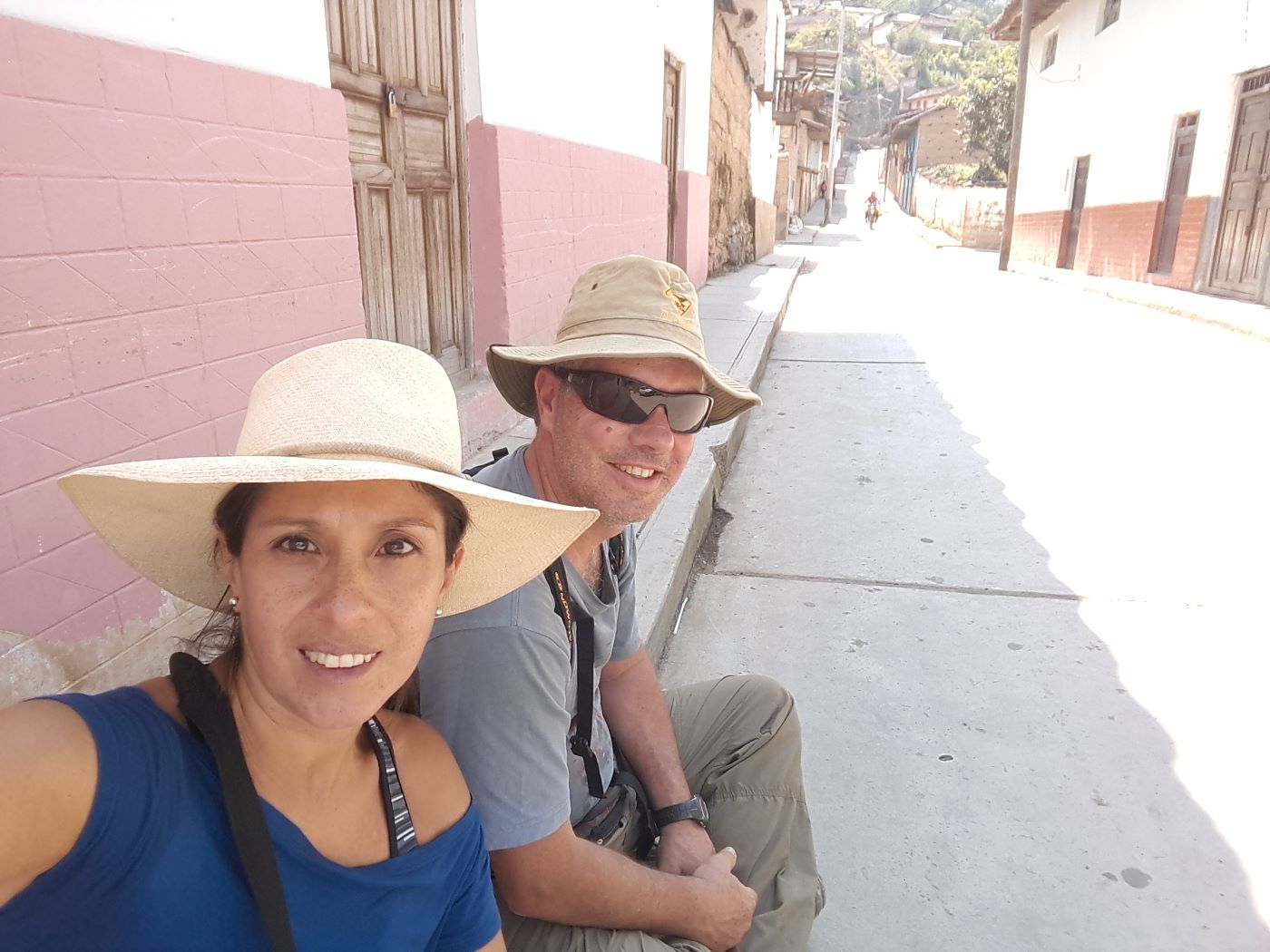
My husband, an architect, and I, a hotel manager, arrived in Leymebamba drawn first by the
mystery of the Chachapoyas culture. We wanted to visit the Museo de Leymebamba, home to more
than 200 mummies discovered at the breathtaking Laguna de los Cóndores. The experience
completely captivated us.
From that moment on, we set out to explore the entire Utcubamba Valley and uncover its hidden
treasures. Beyond the well-known tourist attractions, we discovered countless fascinating
archaeological sites, all located close to Leymebamba.
As we explored further, we not only discovered the richness of the Chachapoyas culture, but also
its living traditions, ancestral customs, the incredible craftsmanship of its people, the
fertility of its lands, and the life-giving waters of the Utcubamba River, nourished by abundant
rainfall throughout the region.
Eventually, we acquired a piece of land on the outskirts of Leymebamba, in the annex of San
Miguel, on an area known locally as “La Rangra” (stony ground). The land had an average slope of
35 degrees and had been heavily overexploited through intensive farming and chemical
fertilizers. There was no access to water or electricity, and only weeds and a few native shrubs
remained. Yet the site offered magnificent views over the valley and the surrounding villages.
In July 2011, we began clearing the land by removing invasive vegetation, restoring the soil,
and preserving the few native plants that remained. That same year, we built a greenhouse and
purchased 1,000 native trees — including alder, cedar, putiquero, motuy, elderberry, and pajuro
— beginning our reforestation project.
Over time, we collected seeds and created our own nurseries to grow new trees. At the same time,
we opened paths through the property, continued restoring the land, and created natural trails
to access different work areas more easily. This led us to build terraces and flat platforms
where we could later create gardens, living spaces, and structures.
And so, the dream of Rangra Wasi Eco Lodge was born.